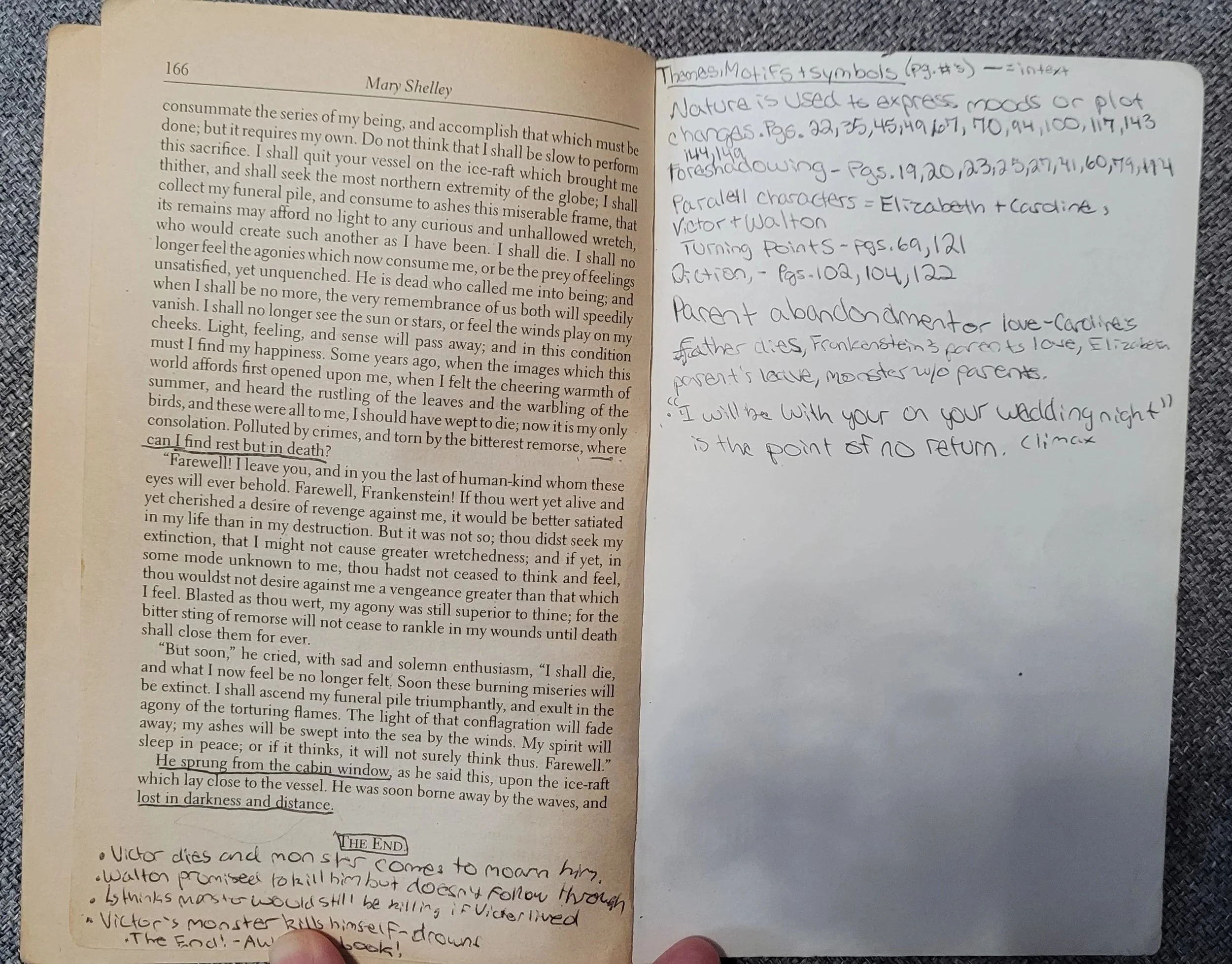
Finding beta readers is one thing. Finding the right ones is another. Here's where to look, what to pay, and how to choose wisely.

The wrong readers can give unhelpful, vague, or even misleading feedback. The right beta readers will help you see your book through fresh eyes and make it so much stronger before you seek out an agent or hit publish.
This is Part 2 of my three-part series on beta readers. If you missed Part 1, we covered the difference between beta readers, critique partners, editors, and sensitivity readers. You can read that here first if you need it. By the end of this post, you'll know where to find beta readers, whether you need to pay them, how to choose the right ones, and how many you actually need.
Should you pay for beta readers?
Short answer: You can, but you don't have to.
There are beta readers out there who volunteer because they love books, want to help authors, and genuinely enjoy getting to see stories at earlier stages of the process. Plenty of writers find great free beta readers and never pay a cent.
That said, it's always nice to compensate someone for their time, especially when they're doing something so meaningful for your book. Even a small fee can make beta reading more enticing and often results in higher quality feedback. Beta read swaps are another great option, where you each read for the other and both walk away with something valuable.
There are situations where paying for beta reading specifically makes sense:
Hard-to-reach readers: If you need feedback from kids for a middle-grade book, or from a very specific demographic, paying may be necessary to find the right people.
Feeling stuck: If you know something is off in your story but can't identify what, paying for a higher quality service often brings more structured and detailed feedback.
Limited time: Finding free beta readers takes effort. If saving time matters more to you right now than saving money, a paid service can be worth it.
Like a lot of things in life, this comes down to weighing your most valuable resources. You get to decide between time and money.
A nice touch regardless: Giving your beta readers a free copy of your finished book as a thank-you is a lovely gesture. A signed copy is even better.
Where to find beta readers
There's no single perfect place to find beta readers. The right option depends on what you need, how much time you have, and what kind of feedback you're looking for. Here's a breakdown of your main options.
Online writing communities
Reddit (r/betareaders), Discord servers, writing forums, and Facebook groups dedicated to beta reading all fall into this category.
What works: Access to a large pool of potential readers. There are always writers looking for beta swaps, and many communities encourage ongoing discussion so you can get more detailed feedback over time.
What to watch for: Quality varies widely. Some beta readers will be thorough and experienced; others will disappear partway through or never follow through at all. On larger forums like Reddit, your post can get buried, so you may need to engage consistently to get responses.
Best for: Writers looking for free beta readers who don't mind sorting through different experience levels.
Social media
Posting about your project and using hashtags like #WritingCommunity, #AmWriting, and #BetaReaders can connect you with readers organically.
What works: If you've already built a following, you may have potential beta readers right in your audience. Posting about your book also builds visibility even beyond the beta reading process.
What to watch for: Social media can be hit or miss. Some people volunteer but never follow through. If you don't already have a following, it can be harder to get traction. You'll need to be genuinely engaged in the community before asking for readers.
Best for: Writers who are already active online and want to build an audience while finding beta readers.
Beta reader platforms
Websites like Spun Yarn, Betareader.io, and Critique Circle are designed specifically to connect writers with beta readers.
What works: Expectations are clear from the start. Some platforms offer structured feedback forms, which helps ensure you get detailed responses instead of vague impressions. You also get access to readers outside your personal network, which means more objective feedback.
What to watch for: Some platforms charge a fee or require a swap system. Quality still depends on the individual reader, and these platforms offer less personal back-and-forth than a critique partner relationship would.
Best for: Writers who want structured feedback and are comfortable using a dedicated platform.
Local writing groups and workshops
In-person critique circles and writing groups can be a great source of beta readers, especially for writers who prefer face-to-face feedback.
What works: In-person discussions often lead to more detailed and thoughtful feedback. You can also build long-term relationships with other writers, which pays off well beyond any single manuscript.
What to watch for: Your options are limited to who's available locally, which can be a real constraint depending on where you live. Local groups may also skew toward critique partnerships rather than beta reading specifically, and the members might not always match your target audience.
Best for: Writers who want ongoing support and prefer in-person feedback.
Personal networks
Generally, I recommend staying away from asking friends and family to beta read.
What works: It's the easiest option by far. People who care about you are often willing to read quickly and are invested in your success.
What to watch for: Most friends and family won't be honest enough. They don't want to hurt your feelings, so they'll tell you they loved it even when something isn't working. If they don't read your genre, their feedback may not be useful anyway. And if they do give critical feedback, it can create real awkwardness in the relationship.
Best for: Only if you have a trusted person in your life who is both honest AND a reader of your specific genre. That combination is rarer than it sounds.
How to choose the right beta readers
Not every beta reader will be helpful, so being selective matters. Here's what to look for, and what to watch out for.
1. They read your genre. If your book is a sci-fi thriller, a reader who only enjoys contemporary romance may struggle to give useful feedback. Your core beta readers should be familiar with your genre so their feedback reflects what real readers in that space will think.
Red flag: A beta reader who doesn't understand your genre and gives feedback like "I don't get why there are aliens in this" for a sci-fi novel.
2. They give honest, constructive feedback. You want readers who tell the truth in a way that actually helps you. Good beta readers point out problems without tearing you down, explain why something isn't working, and offer suggestions when they can.
Red flag: Someone who only gives positive feedback, or someone who's so harsh they make you want to quit.
3. They understand what you're trying to do. Every book has a specific tone, goal, and audience. A great beta reader judges your book based on what it's trying to be, not what they personally prefer.
Red flag: A reader who keeps suggesting you change the genre, tone, or style instead of working within what you've established.
4. They bring diverse perspectives, but not too many voices. A mix of genders, backgrounds, and reading experiences can help you catch blind spots. If your book includes representation of a group you don't belong to, having someone from that group is genuinely valuable. That said, too many opinions at once become overwhelming. A small, diverse group is better than a massive one.
Red flag: If every beta reader is giving wildly different feedback, you may have too many voices. Look for patterns. If multiple readers flag the same issue, that's your signal.
5. They're reliable and timely. Beta reading is a commitment, and you need people who will actually finish your book and provide feedback within a reasonable timeframe. Set clear deadlines upfront, check in periodically, and always recruit a few more readers than you think you need since some will drop out.
Red flag: A beta reader who goes silent, takes months to respond, or never sends feedback at all.
How many beta readers do you actually need?
There's no one-size-fits-all answer, but here are some useful guidelines:
Traditional publishing: Three to five beta readers is usually enough. Beta readers at this stage are mostly there to give early impressions and catch big-picture issues before you submit to agents.
Self-publishing: Aim for 10 to 15, ideally in stages.
Early round: Five to seven readers to catch major structural issues
Final round: Five to eight readers to refine details and confirm the book is ready
General rule: Always recruit more than you need. Life happens and not everyone who volunteers will finish or give useful feedback.
The key is to look for patterns. If multiple readers flag the same issue, that's a sign it needs attention. If only one person mentions something, it might just be personal preference.
Types of beta readers who won’t help your book
Not all beta readers are useful. A few types to watch out for:
The "too nice" reader: If they love everything and won't give criticism, their feedback won't help you improve.
The brutally harsh reader: Feedback should be constructive. If they make you feel like quitting, that's not helpful regardless of whether they're technically right.
The rewriter: Some beta readers try to rewrite your book instead of critiquing it, suggesting genre changes or entirely new subplots you have no interest in. You want feedback, not a ghostwriter.
The flake: If they disappear or take forever to respond, they slow down your whole process.
Beta readers can make a real difference in your book. Choose wisely.

Your takeaway
Finding good beta readers takes a little effort, but it's worth it. Use a combination of sources, be selective about who you bring in, set clear expectations upfront, and look for patterns in the feedback you receive.
Part 3 of this series covers what to actually do with beta reader feedback once you have it, including how to sort through conflicting opinions and decide what to act on.
Join my newsletter
Sign up for my newsletter for thoughtful writing craft tips, motivation, story analysis, and a little fun in your inbox. It’s made for otherworldly fiction writers who want encouragement, practical guidance, and a steadier path from messy idea to story that works.
Happy Writing!
-Leslie
P.S. When in doubt, recruit more beta readers than you think you need. A few will drop out, and that's completely normal. Plan for it.